June 24, 2026
When people think about designing a home, they usually focus on finishes, furniture, lighting, or the kitchen. Very few think about air conditioning. Yet in Panama's tropical climate, a well-designed central air conditioning system can have a greater impact on everyday comfort than almost any other design decision. A properly designed HVAC system doesn't simply cool the air. It protects your furniture, preserves your finishes, improves indoor air quality, reduces humidity, and creates a healthier living environment.
After coordinating the design of dozens of luxury residences in Panama, we've learned that homeowners rarely regret investing in better finishes - but they often regret underestimating their air conditioning system. In this guide I explain howcentral AC should be designed for a 300-500 m² residential apartment withmultiple bedrooms, social areas, kitchen, and a master suite with walk-incloset. I promise to avoid engineering language:)
In Panama, air conditioninghas two jobs, not one:
1. Cool the air
2. Remove humidity (60% RH if possible to reduce mold risk)
Many systems fail not because they are weak, but because they are oversized. When a unitcools too fast, it turns off before removing enough moisture. The result is aspace that feels cold but sticky, and over time, this leads tomold, odors, and material damage.
Efficiency =stable temperature + controlled humidity + minimal air leaks
Not the biggest machine.
A common mistake in residential projects is sizing the system by a simple rule like “X tons for 300m².” This almost always leads to oversizing. A proper system must bedesigned using a room-by-room load calculation, considering:
• sun exposure
• window size and orientation
• ceiling height
• occupancy
• equipment and lightingheat
What to ask your AC contractor: “Please provide theroom-by-room cooling and humidity (latent) load calculation used to select theequipment.” If they cannot show this,you are guessing (and guessing is expensive).
For a 3-bedroom apartment with social areas, kitchen, and master suite, two solutions work especially well:
Option A:Ducted inverter split system
• One or several ducted indoor units
• Feeds air through ducts hidden in ceilings
• Excellent comfort when ducts are short, sealed, insulated, and balanced
• Very common and cost-effective
Option B: VRF/ VRV system
• Multiple indoor unit sconnected to one outdoor system
• Excellent zoning flexibility
• Very efficient at partialloads
• Ideal for larger or more cComplex layouts
Why invertertechnology matters?
Inverter systems adjust power gradually instead of turning fully ON and OFF. This means:
• lower electricity bills
• better humidity control
• quieter operation
• longer equipment life
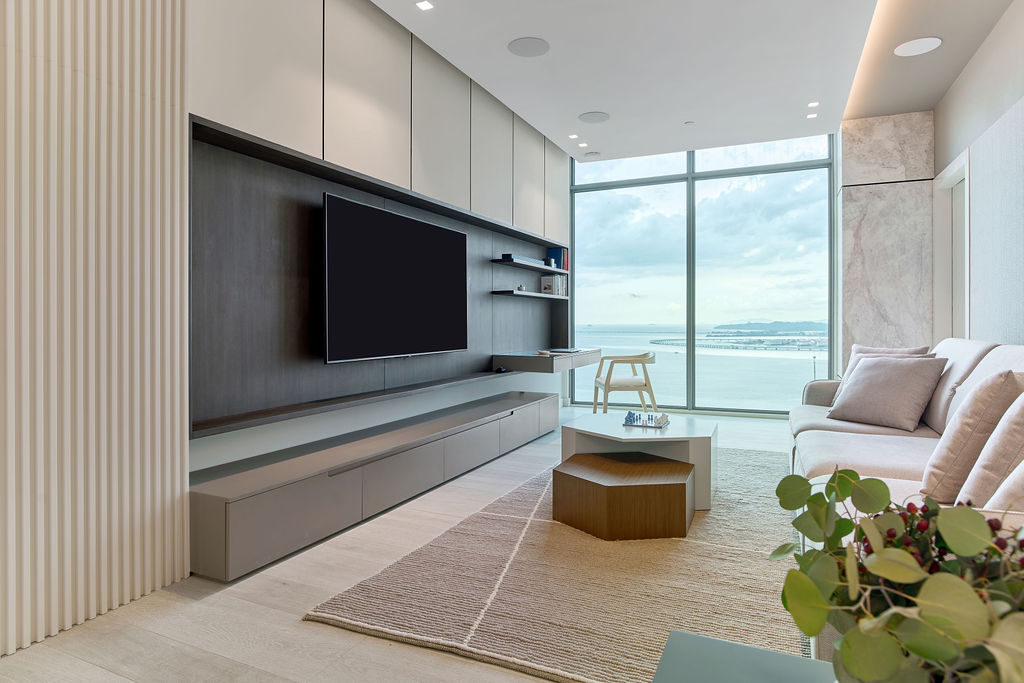
Zoning means controlling different areas independently. A good zoning plan follows how you live,not just the floor plan.
Recommendedzoning for a 300-500m² apartment
1. Social zone(daytime use): living room, dining, family area
2. Kitchen zone: cooking adds heat and humidity
3. Secondary bedrooms zone: bedrooms with similar schedules
4. Master suitezone: bedroom + walk-in closet (very important forhumidity control)
Zoning rulesthat protect efficiency
• Group rooms with similarsun exposure and usage
• Avoid very small zone sconnected to a large unit
• Ensure each zone has proper air return
In tropical climates, humidity is often the real problem, not temperature. If humidity is notcontrolled:
• closets smell
• gypsum deteriorates
• mold appears behind furniture
• you feel uncomfortable even at low temperatures (and you start to develop allergies)
How goodsystems solve this
• Correct sizing + inverteroperation = longer run times at low power
• This removes moisture gradually and consistently
• In some cases, a supplemental dehumidification strategy is recommended (especially for walk-inclosets)
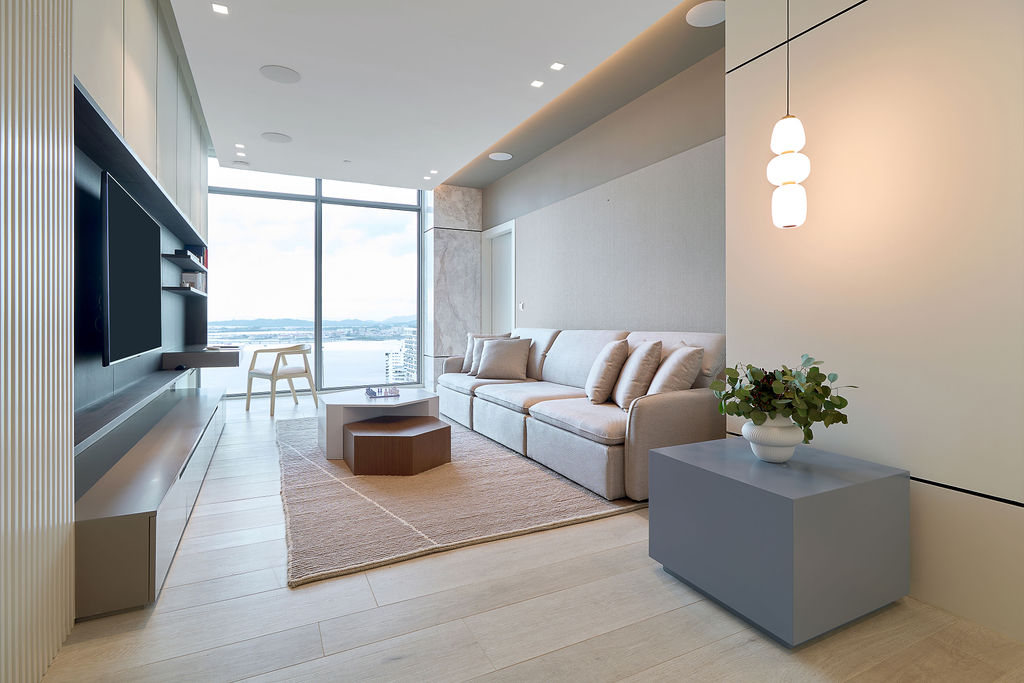
Even the best central ACsystem fails if ducts are poorly executed. Poorly sealed ducts canlose 20–30% of conditioned air, which means:
• higher bills
• uneven temperatures
• weaker humidity control
What proper ductwork requires
• All joints sealed (not just taped)
• Ducts insulated if passing through hot ceiling spaces
• Correct return-air paths (especially for bedrooms)
• Final air balancing after installation
The cheapest ton of airconditioning is the one you don’t need to install. In Panama, air leaks bringin:
• heat
• humidity/condensation
• dust and odors
Key actions
• Seal window and door perimeters properly
• Pay special attention to balcony doors
• Use solar control (blinds, films, exterior shading) on strong sun façades
This reduces both coolingdemand and humidity load.
How you use thesystem affects efficiency as much as how it is designed. Best practices:
• Maintain stable setpoints (around 24–25°C)
• Avoid turning the system completely off daily (tho I am a big fan of opening windows at least for 10minper day for a fresh air to enter. I think it’s good to sacrifice a little bitof efficiency for Indoor air quality).
• Use “away mode” insteadof shut down when traveling
• Let inverter systems maintain, not fight extremes
In Panama, neglecting maintenance leads to hidden damage. Critical items:
• Condensate drains with correct slope and access
• Regular filter cleaning
• Corrosion-resistantinstallation practices
• Periodic system checks
Most humidity problemsstart with drain or airflow issues, not the machine itself.
Before hiring an ACcompany, confirm:
1. Room-by-room loadcalculation
2. Inverter-based equipment
3. Logical zoning by useand exposure (here designer could help)
4. Clear humidity control strategy (we always add additional outlets in walk-in closets in casedehumidifier needed)
5. Sealed, insulated,balanced ductwork
6. Proper window and doorsealing
7. Commissioning and finaltesting
Why this matters
A well-designed central AC system in Panama saves money every month, protects your finishes,and preserves property value. A poorly designed one becomes a constant sourceof discomfort and hidden costs.
Designing it right from the beginning is always cheaper than fixing it later.
We work with clients who value clarity, experience, and thoughtful design decisions. If that sounds like you, let’s talk.
Request a Design Strategy CallYour trusted source for curated news and insights.
We work with clients who value clarity, experience, and thoughtful design decisions. If that sounds like you, let’s talk.
Request a Design Strategy Call