July 2, 2026
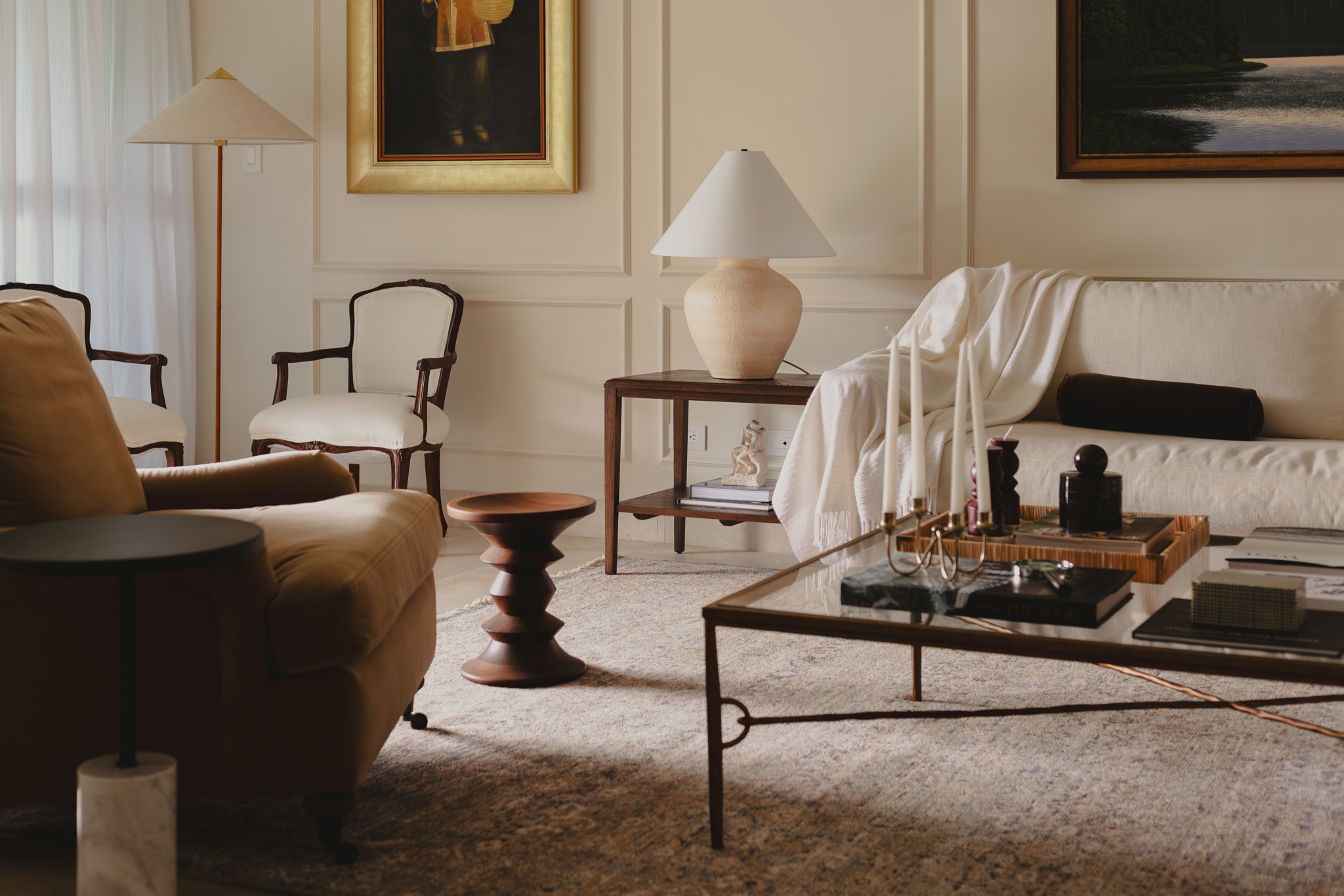
One of the ideas I find myself repeating most often is that a home should never be designed only for the present. That may sound strange at first. After all, a home is an intensely personal place. It reflects our habits, our memories, our routines, and our way of understanding beauty. Naturally, we want it to feel like ours. And yet, every home is also something else. It is one of the largest financial investments most of us will ever make. Those two realities are not in conflict. In fact, I believe the best projects emerge precisely when emotion and investment stop competing and begin working together.
Designing a home should never mean choosing between beauty and value. I think the best interiors achieve both.
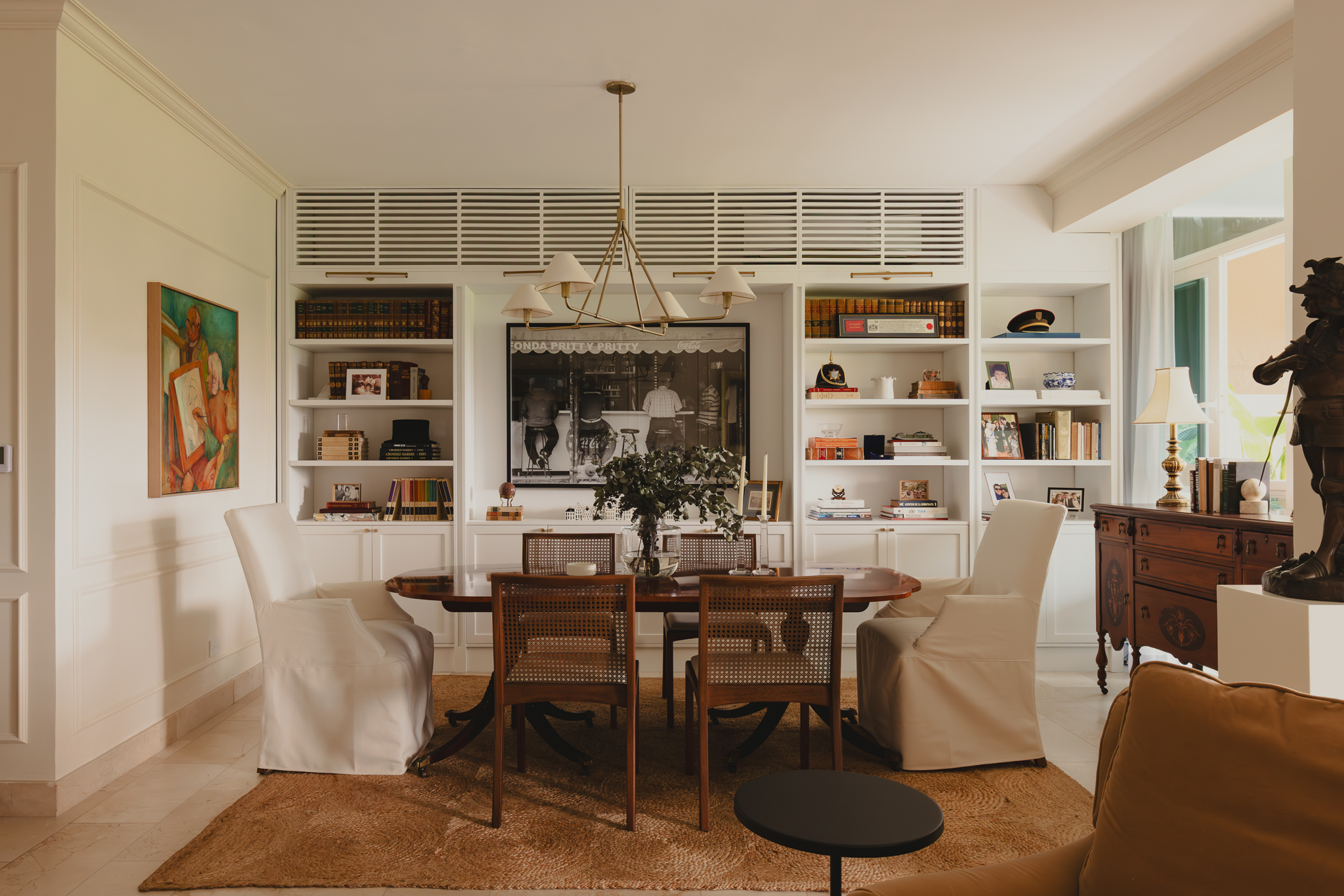
People often say that beauty is subjective. I have never been completely convinced. Of course, each of us has different references, different memories, and different ways of living. Personal taste deserves respect. But after spending years walking through hundreds of homes, I have also noticed that certain qualities are almost universally appreciated.
· Natural light.
· Balanced proportions.
· Comfortable circulation.
· Honest materials.
· Thoughtful craftsmanship.
These things rarely go out of style. On the other hand, poor planning ages surprisingly fast. A bathroom that feels uncomfortable every morning. A dining room where nobody can move around the table. Custom furniture that blocks the ocean view it was meant to celebrate. Expensive stone installed without attention to detail...
None of these problems are matters of taste. They are simply poor decisions. And poor decisions almost always have a financial cost.
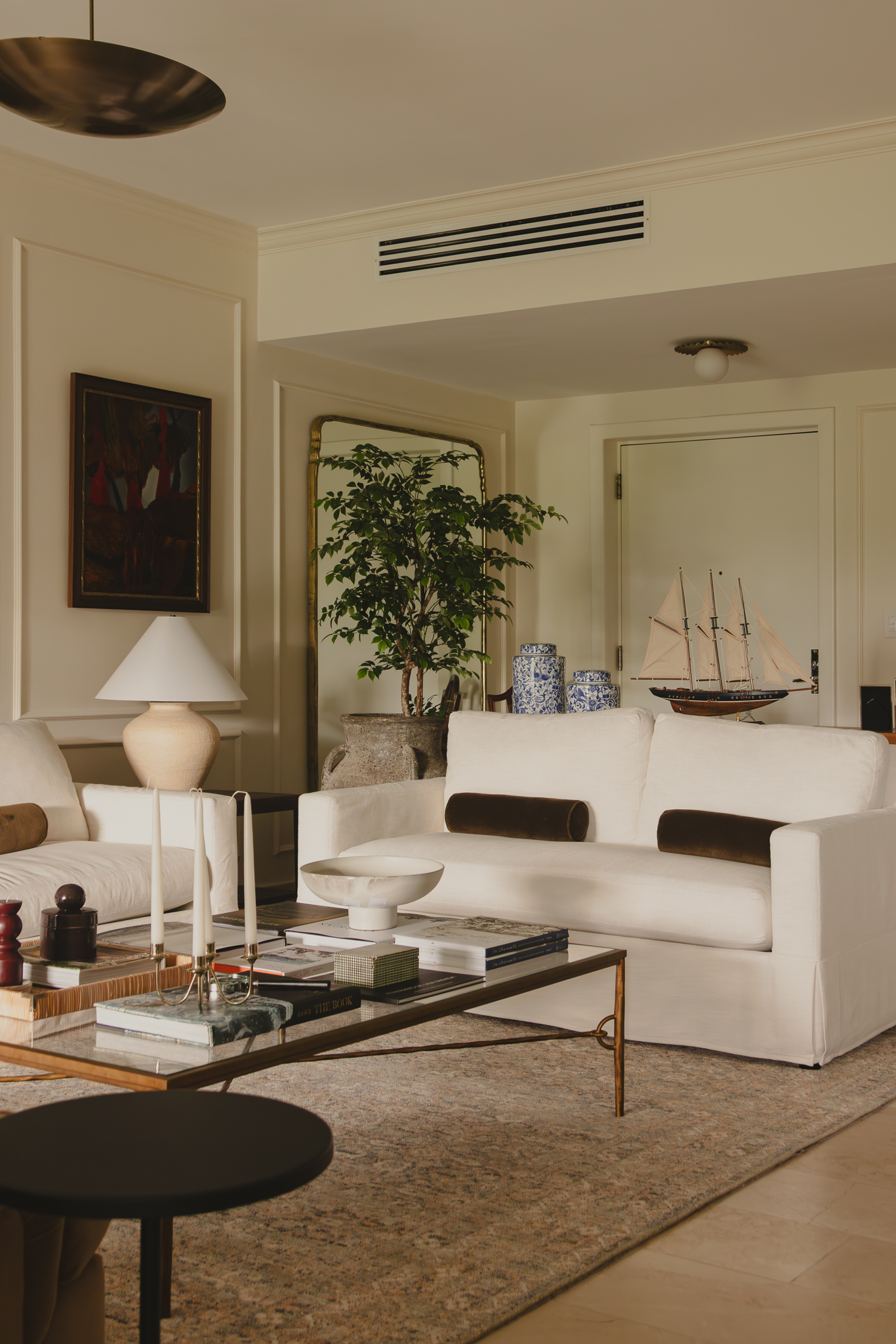
One of the greatest mistakes I see is designing a home exclusively for today's preferences. A renovation should certainly reflect the personality of its owners. But it should also leave enough room for someone else to imagine living there one day. That doesn't mean creating neutral interiors without character. Quite the opposite. I believe personality and timelessness can coexist beautifully. The goal is not to eliminate individuality. It is to express it through architecture, proportion, materials, and craftsmanship rather than through temporary trends. When that happens, a home keeps its identity while remaining attractive to future buyers.
Real estate markets change. Interest rates change. Buyer preferences evolve. Yet certain properties consistently retain their value better than others. In my experience, those homes are rarely the most extravagant. They are the ones where every decision feels intentional. Where the layout makes sense. Where materials have aged gracefully. Where nothing feels excessive simply because it was fashionable at one particular moment. Good design rarely screams. It quietly convinces.
I often ask myself a simple question before making an important design decision. Will this still feel right in twenty years? Not because trends should be ignored. But because trends should never become the foundation of a home. Materials will age. Families will change. Technology will evolve. Life itself will look different. Good design anticipates that reality instead of resisting it. Perhaps that is what timelessness really means. Not freezing a home in time, but allowing it to continue making sense as time passes.
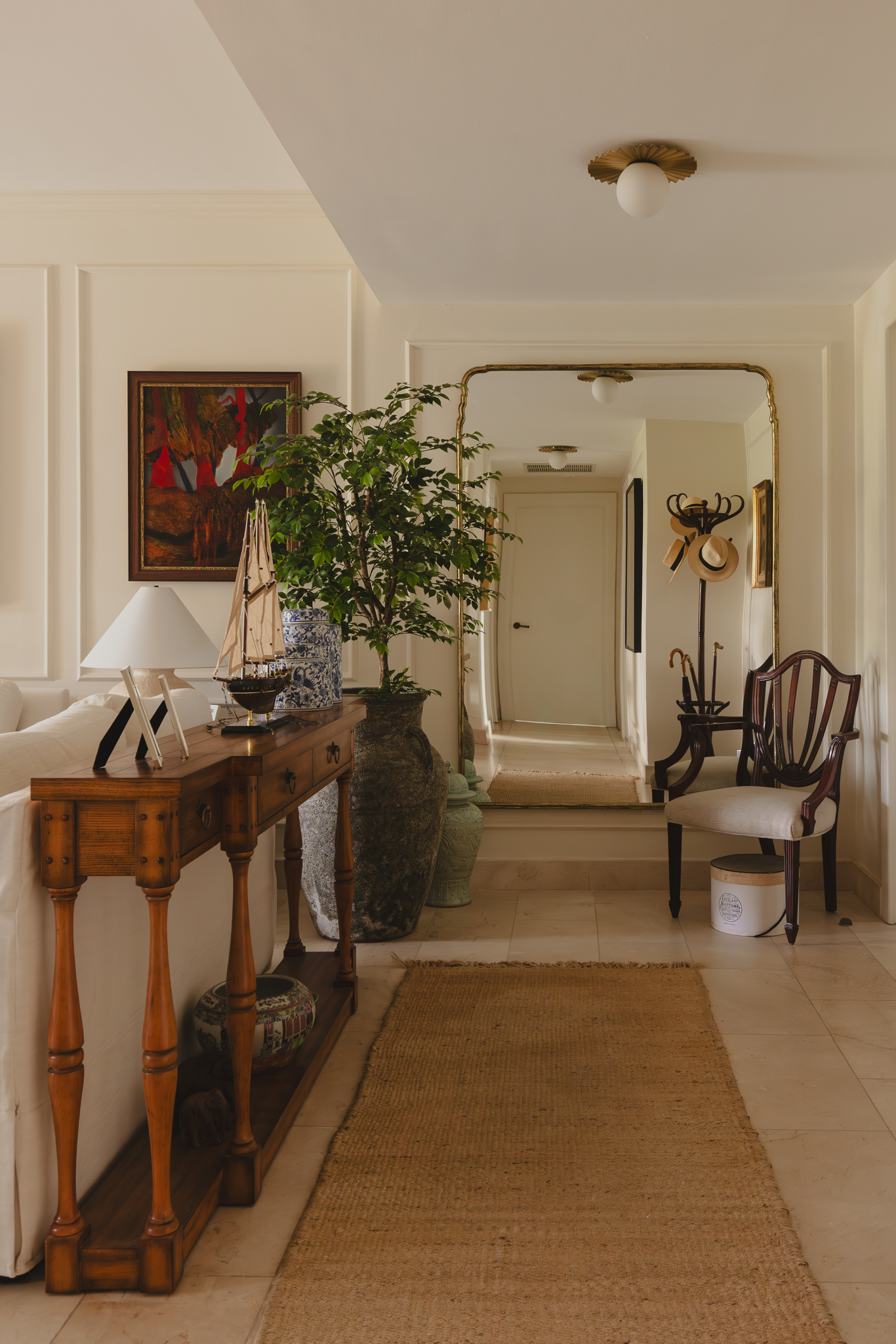
People often speak about return on investment only in terms of resale value. I think that definition is incomplete. A successful renovation should increase the value of your property and the quality of your everyday life. The pleasure of natural light entering the living room every morning, when a home that feels calm instead of visually exhausting. Those experiences have value too. Perhaps they are impossible to measure, yet they are the reason we renovate in the first place.
At PIEKNO Studio, we rarely begin a project by asking what is fashionable. Instead, we ask a different question. What decisions will still make sense many years from now? That question changes everything. It changes how we choose materials. How we organize space. How we think about light. How we design custom furniture. And ultimately, how we protect the value of a home.
Because I have come to believe that beautiful design should do something more than impress people today. It should become more valuable with time - just like the best investments always do.
A successful renovation is not measured only by how beautiful it looks on the day it is finished. It is measured by how well it performs ten or twenty years later -both as a place to live and as an investment. If you're planning a luxury renovation in Panama, we'd be delighted to help you create a home designed to age beautifully and protect its long-term value.
→ Schedule a Consultation with PIEKNO Studio
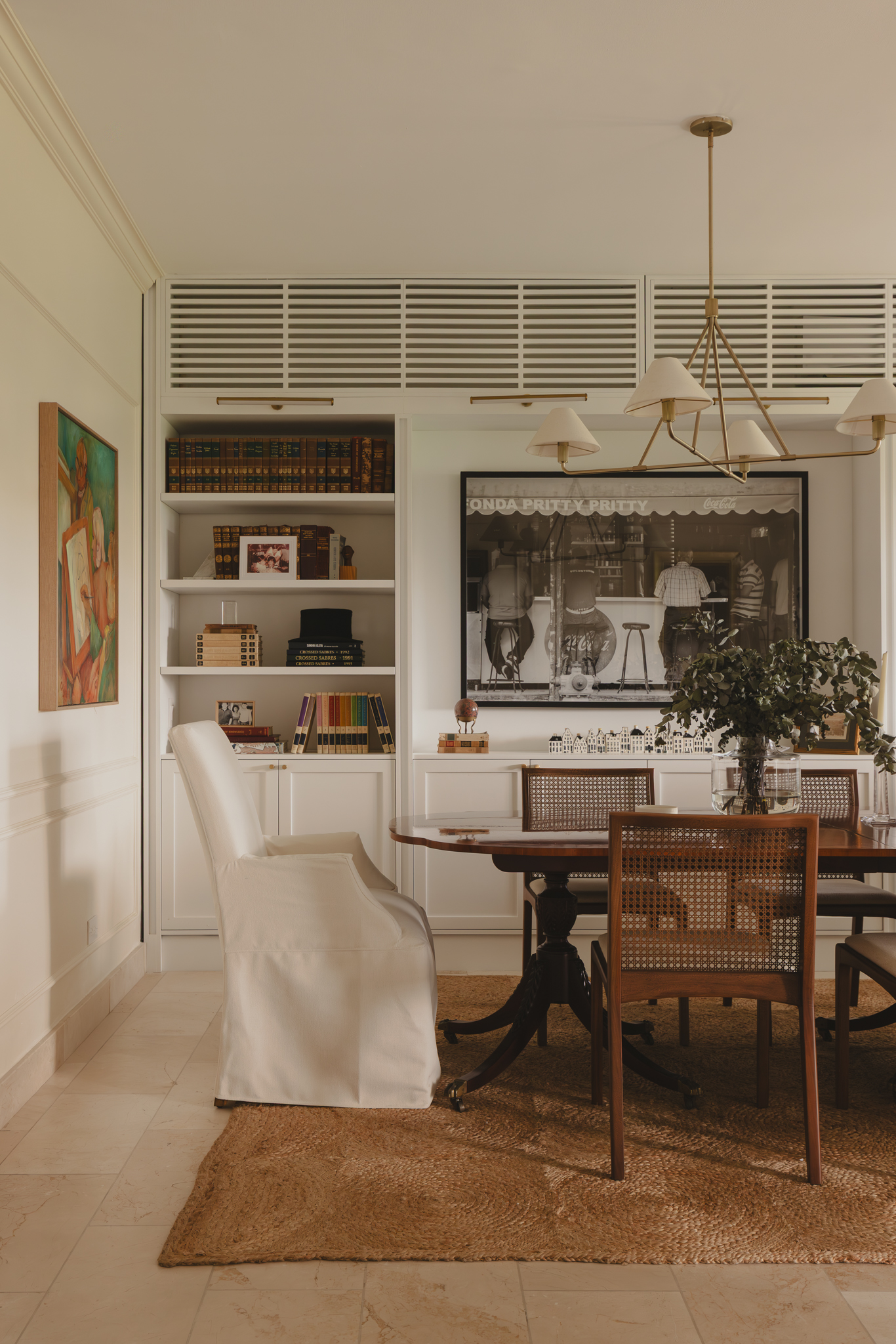
Yes, when it is thoughtfully designed and professionally executed. Improvements to layout, natural light, functionality, material quality, and timeless aesthetics often make a property more attractive to future buyers and can contribute to stronger long-term value.
The best projects achieve both. Your home should reflect your lifestyle while avoiding design decisions that unnecessarily limit its appeal or functionality in the future.
Poor layouts, uncomfortable proportions, low-quality workmanship, materials that age poorly, and highly trend-driven design choices are among the most common factors that reduce long-term property value.
Timeless renovations prioritize proportion, natural light, durable materials, craftsmanship, and functionality over short-lived trends. They continue to feel relevant because they are based on enduring design principles rather than fashion.
Because we believe a home is both an emotional and a financial investment. Every design decision should improve daily life today while helping protect the property's value for many years to come.
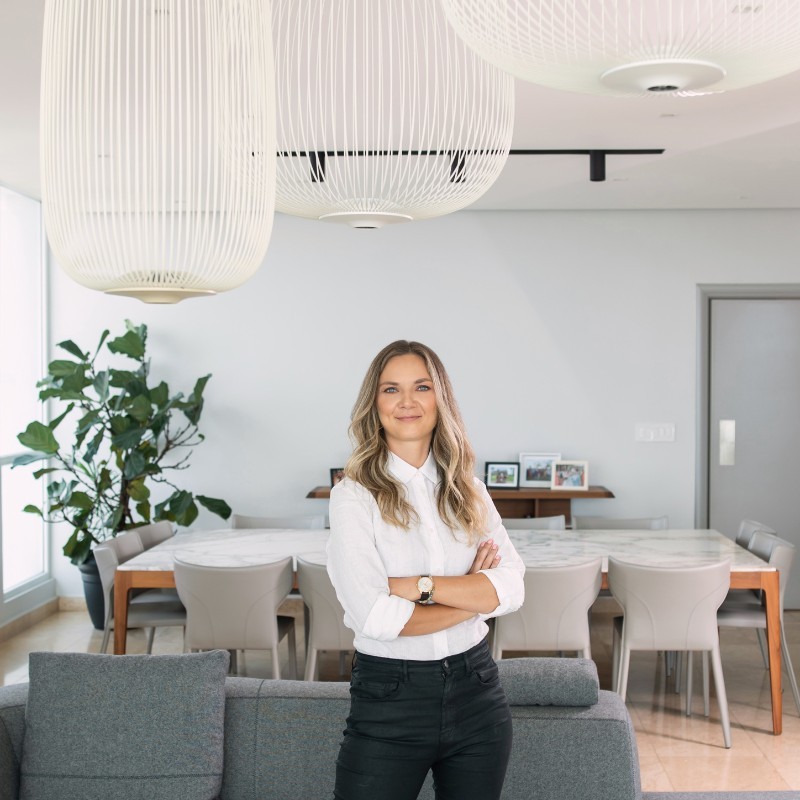
We work with clients who value clarity, experience, and thoughtful design decisions. If that sounds like you, let’s talk.
Request a Design Strategy CallYour trusted source for curated news and insights.
We work with clients who value clarity, experience, and thoughtful design decisions. If that sounds like you, let’s talk.
Request a Design Strategy Call