May 18, 2026
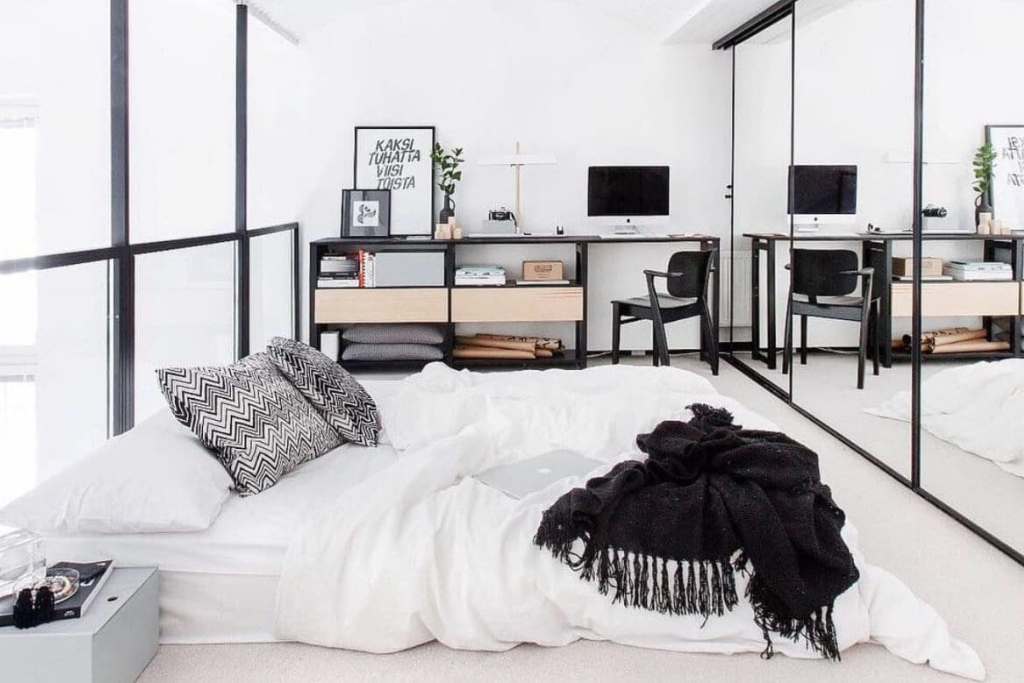
Scandinavian interior design has become one of the world's most influential design styles. Known for its clean lines, natural materials, functional layouts, and bright interiors, it creates homes that feel calm, comfortable, and effortlessly elegant.
Although Scandinavian design originated in Northern Europe, its principles work surprisingly well in tropical countries like Panama. The secret is not copying Nordic interiors exactly, but adapting their philosophy to a warmer climate and a different way of living.
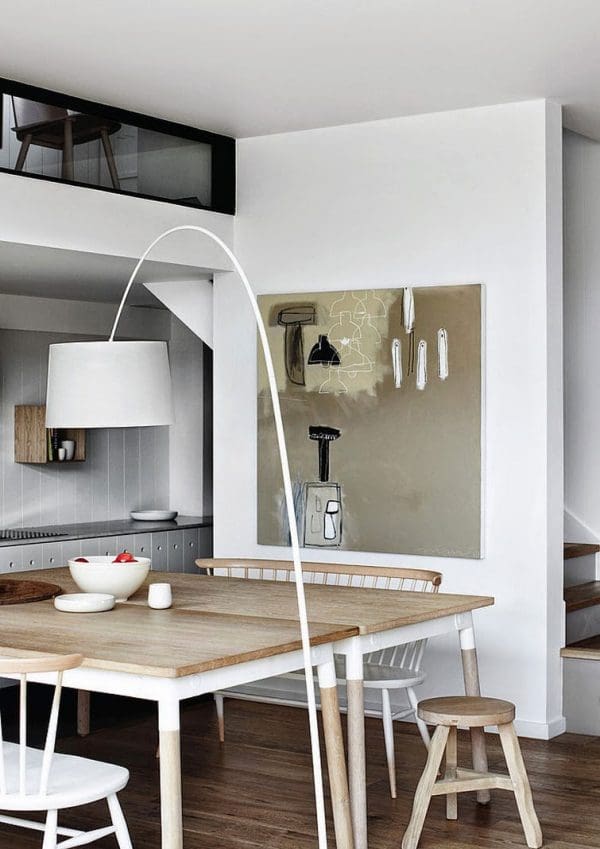
Scandinavian interior design emerged in Denmark, Sweden, Norway, and Finland during the twentieth century. The movement focused on creating beautiful homes that were practical, comfortable, and accessible to everyday families.
Rather than decorating with unnecessary objects, Scandinavian interiors prioritize quality over quantity. Every piece of furniture has a purpose, and every material contributes to a peaceful atmosphere.
The result is a home that feels uncluttered, bright, and welcoming.
Several design principles define this timeless style:
Instead of following short-lived trends, Scandinavian design focuses on creating interiors that remain beautiful for decades.
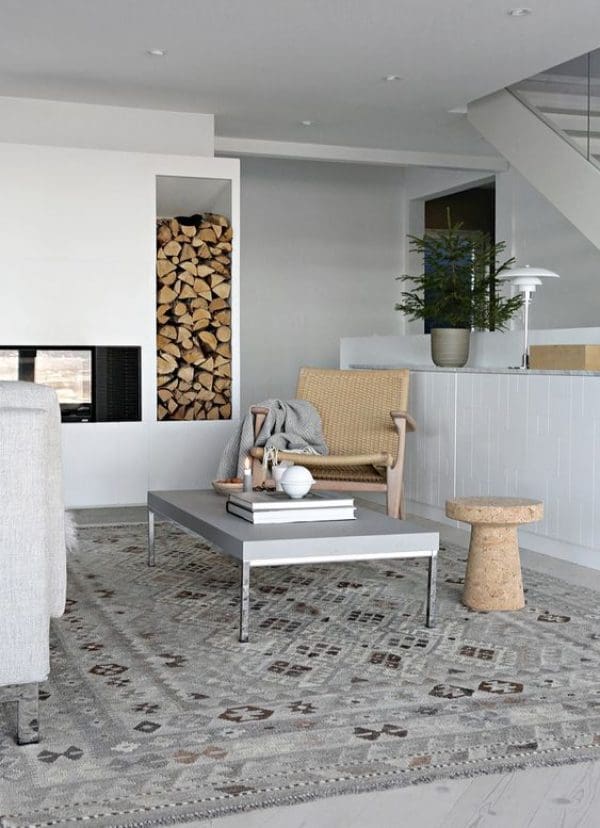
Absolutely - but it requires thoughtful adaptation.
In Scandinavia, large windows and light colors compensate for long, dark winters. Panama enjoys abundant sunshine throughout the year, so the goal shifts from maximizing daylight to balancing brightness with comfort. Humidity also influences material selection. Solid wood, natural stone, porcelain, high-quality engineered wood, and breathable natural fabrics often perform better than materials that are sensitive to moisture. Good ventilation, carefully selected finishes, and durable materials are essential for creating a Scandinavian-inspired home that functions well in a tropical environment.
One of the biggest misconceptions is that Scandinavian interiors are simply white rooms with wooden furniture. In reality, successful Scandinavian homes are carefully layered with texture. Linen curtains soften natural light, oak adds warmth, stone introduces authenticity, and handcrafted accessories create personality without visual clutter. The beauty of the style comes from balance rather than simplicity alone.
If you appreciate timeless architecture, functional spaces, natural materials, and a calm living environment, Scandinavian interior design is an excellent choice. Its emphasis on quality, craftsmanship, and thoughtful planning makes it especially suitable for homeowners seeking a long-term investment rather than a home that follows temporary trends. At PIEKNO Studio, we often draw inspiration from Scandinavian principles while adapting every project to Panama's tropical climate, local construction methods, and each client's lifestyle. The goal is never to copy Nordic interiors but to create homes that feel warm, sophisticated, and perfectly suited to where they are built. Check our portafolio here.
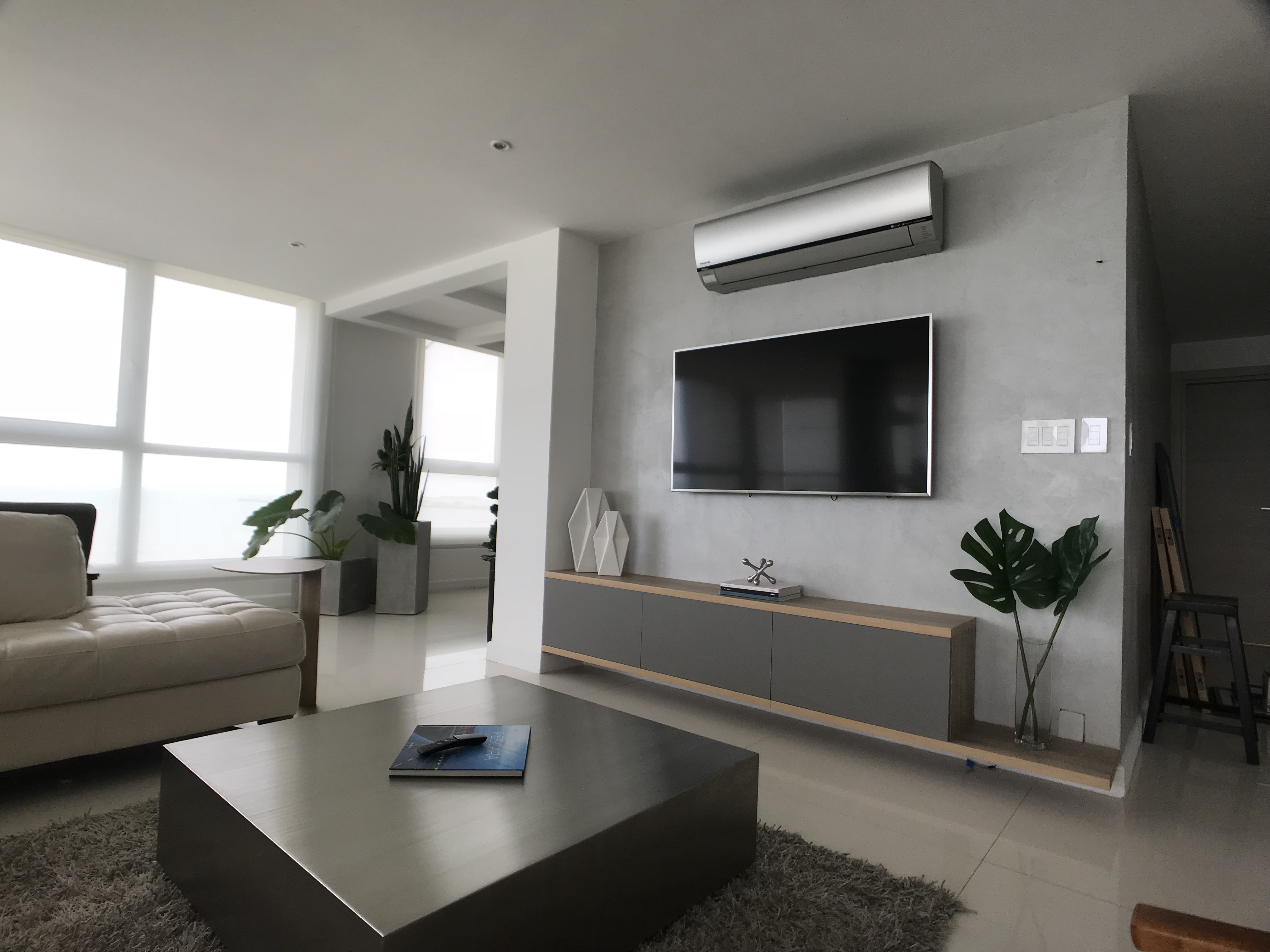
Yes. When adapted correctly with humidity-resistant materials, natural ventilation, and climate-appropriate finishes, Scandinavian design works exceptionally well in tropical regions.
White, warm gray, beige, soft taupe, muted greens, natural wood tones, and subtle black accents are commonly used.
Natural wood, linen, wool, cotton, leather, stone, ceramic, and handcrafted materials are central to the style.
No. While both embrace simplicity, Scandinavian interiors place greater emphasis on warmth, comfort, natural textures, and everyday functionality.
Scandinavian design is rooted in Nordic traditions, while Japandi combines Scandinavian functionality with Japanese craftsmanship, minimalism, and the philosophy of wabi-sabi.
Check out our Instagram @annafaligowska
We work with clients who value clarity, experience, and thoughtful design decisions. If that sounds like you, let’s talk.
Request a Design Strategy CallYour trusted source for curated news and insights.
We work with clients who value clarity, experience, and thoughtful design decisions. If that sounds like you, let’s talk.
Request a Design Strategy Call