March 15, 2023

Most of my clients love beige-on-beige interiors. I do too.
Beige is safe, calm and easy to live with—but safe does not have to mean boring. The problem is rarely beige itself. The problem is when there is nothing else happening.
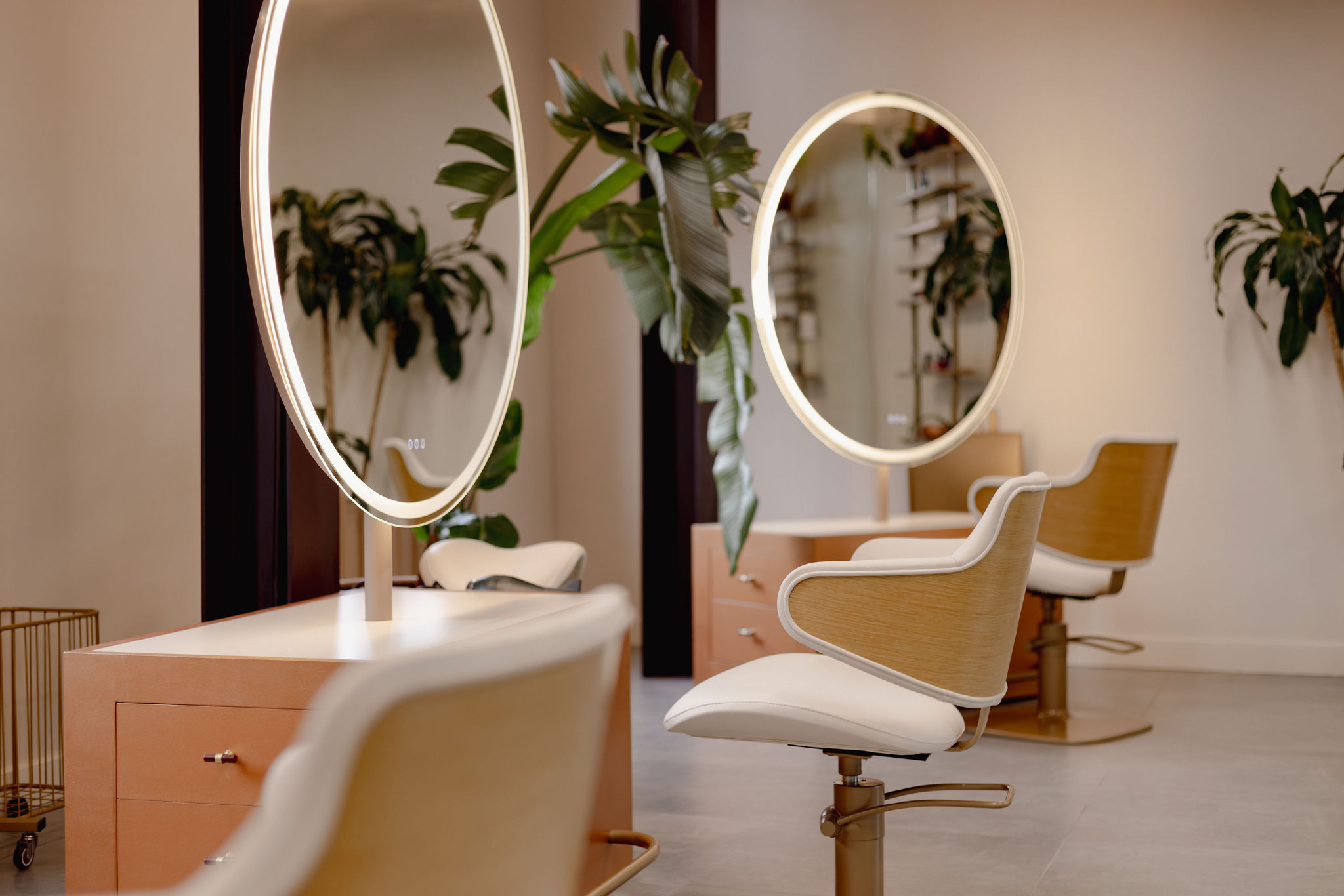
If the palette is quiet, materials have to create the depth: wood grain, linen, stone, plaster, woven upholstery, rugs and subtle changes in tone.
One beige multiplied across every smooth surface creates flatness. Many related neutrals with different textures create richness.
For major permanent elements—floors, large areas of cabinetry, stone and other difficult-to-replace finishes—a neutral foundation can be a sensible long-term choice. It gives the home flexibility if furniture changes or the property is eventually sold.
That is not a guarantee of resale value. It is simply a more adaptable base.
I love experimenting with color where it is easy to change: paint, art, upholstery, accessories and sometimes even the ceiling.
A colored ceiling can completely change the personality of a room and, compared with replacing stone or cabinetry, repainting it later is relatively simple.
Not every design decision needs to be forever.
A sophisticated beige interior still needs contrast, shadow, texture and something personal. The goal is to create a calm architecture that gives the owners freedom—not to remove every sign of life.
Read why some neutral interiors feel warm and others clinical and how we use color architecturally.
We work with clients who value clarity, experience, and thoughtful design decisions. If that sounds like you, let’s talk.
Request a Design Strategy CallYour trusted source for curated news and insights.
We work with clients who value clarity, experience, and thoughtful design decisions. If that sounds like you, let’s talk.
Request a Design Strategy Call