February 22, 2023

Minimalism is easy to make empty. It is much harder to make it warm.
For me, a successful minimalist interior is not defined by how little furniture it contains. It is defined by how carefully every visible element has been considered.
When there are fewer objects in a room, the architecture becomes more visible. Wall proportions, door alignments, ceiling details, circulation and the relationship between furniture and openings matter even more.
You cannot hide weak planning behind decoration.
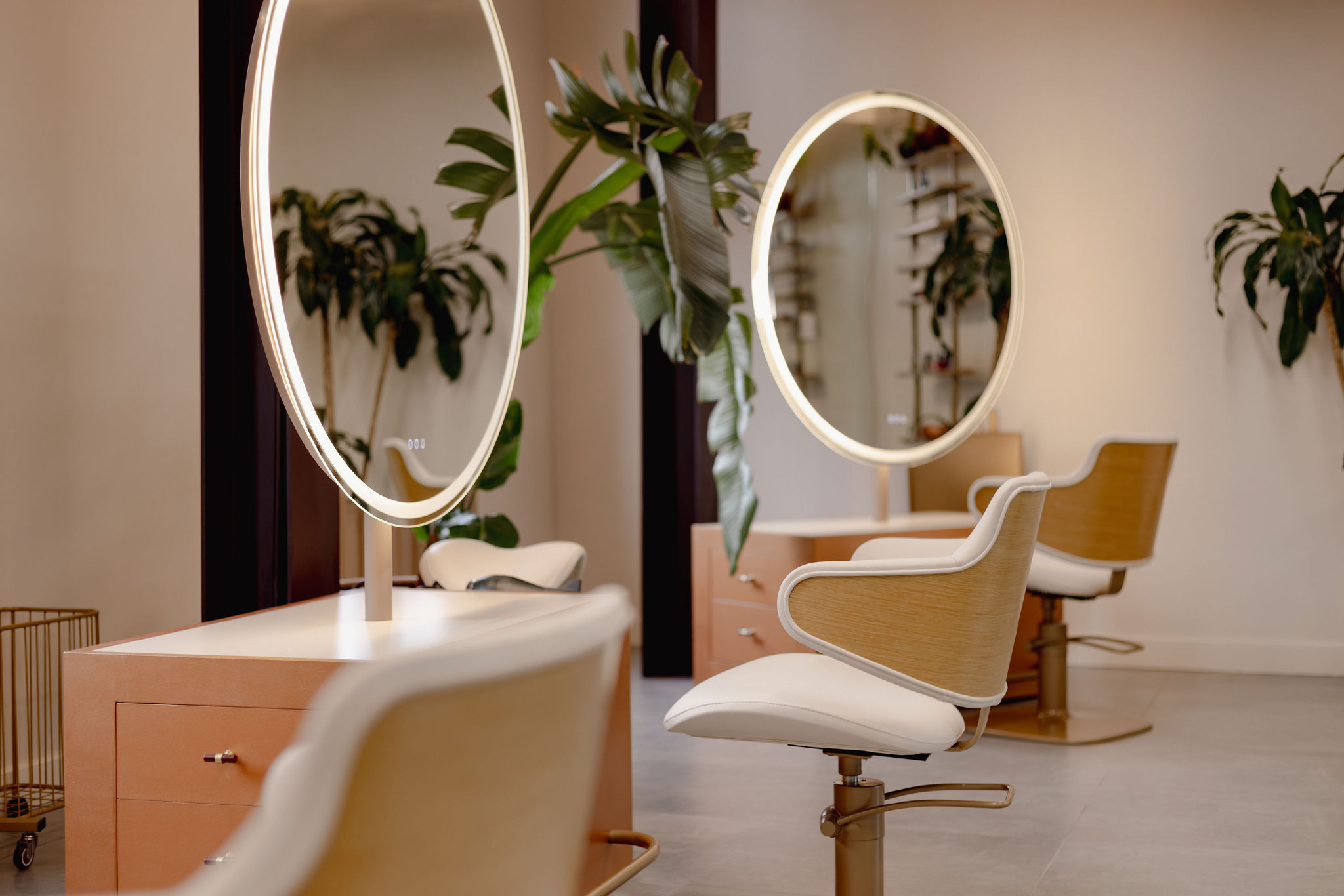
Wood, stone, linen, textured plaster and woven fabrics introduce variation that a restrained color palette needs.
This is why I often prefer warm minimalism to an all-white, glossy interpretation. The room can be quiet without feeling clinical.
Minimal interiors only stay visually calm if everyday life has somewhere to go. Good storage is not an afterthought—it is one of the things that makes the aesthetic possible.
We plan where shoes, charging cables, children's things, appliances and daily clutter actually live.
If a room contains only a few important objects, scale and quality become more visible. I would rather use fewer pieces that the client genuinely loves than fill every empty corner.
A restrained room can become cold very quickly under flat, overly bright lighting. Layers, dimming and indirect light add depth after sunset.
Read our guide to interior lighting.
Art, books, family objects and color are not forbidden. The goal is not to remove evidence of life.
For me, minimalism is discipline—not absence.
Read why style labels can be misleading, see our Japandi approach, or explore our projects.
We work with clients who value clarity, experience, and thoughtful design decisions. If that sounds like you, let’s talk.
Request a Design Strategy CallYour trusted source for curated news and insights.
We work with clients who value clarity, experience, and thoughtful design decisions. If that sounds like you, let’s talk.
Request a Design Strategy Call