January 4, 2023
Japandi is often described as a fusion of Japanese and Scandinavian design. I find the label useful, but what interests me is not the trend name. It is the design logic behind it.
Both traditions value restraint, natural materials, craftsmanship, function and a certain visual quietness. When those principles are combined well, the result can feel warm rather than sterile.
A room does not become Japandi because it contains pale wood and a beige sofa. The architecture needs discipline: fewer unnecessary elements, good proportions, thoughtful storage and materials that are allowed to look like themselves.
Wood, stone, linen, woven textures and matte surfaces keep restrained interiors from feeling empty. Imperfection and variation are part of the beauty.
Storage matters because everyday objects can quickly overwhelm a quiet composition. But I don't believe the goal is to create a house where nobody appears to live.
The best restrained interiors still contain art, books, plants and objects that mean something to the owners.
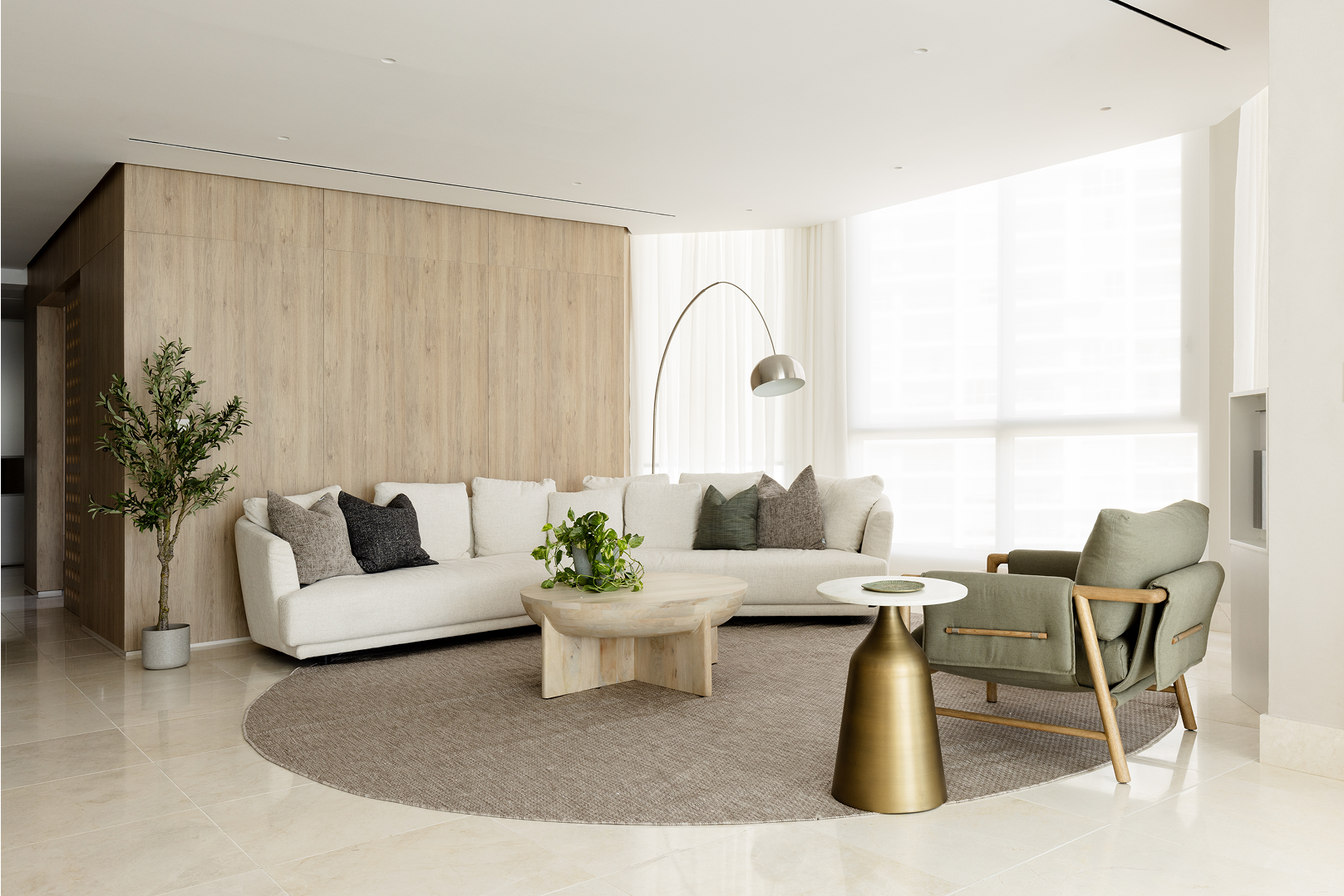
Pacific Point is one of our projects where this philosophy feels especially natural: light tones, warm wood, restrained materials and a calm composition without making the home feel cold.
For me, that is the part of Japandi worth keeping even when the trend name eventually changes.
See our Pacific Point Japandi project and read how we keep neutral interiors warm.
We work with clients who value clarity, experience, and thoughtful design decisions. If that sounds like you, let’s talk.
Request a Design Strategy CallYour trusted source for curated news and insights.
We work with clients who value clarity, experience, and thoughtful design decisions. If that sounds like you, let’s talk.
Request a Design Strategy Call