June 23, 2021
Lighting is one of the parts of interior design that clients notice emotionally before they understand technically.
A room can have beautiful materials and furniture and still feel flat, cold or uncomfortable if the lighting is wrong. The opposite is also true: thoughtful lighting can make relatively simple architecture feel sophisticated.
I don't think of lighting as decoration added at the end. I think of it as part of the architecture.
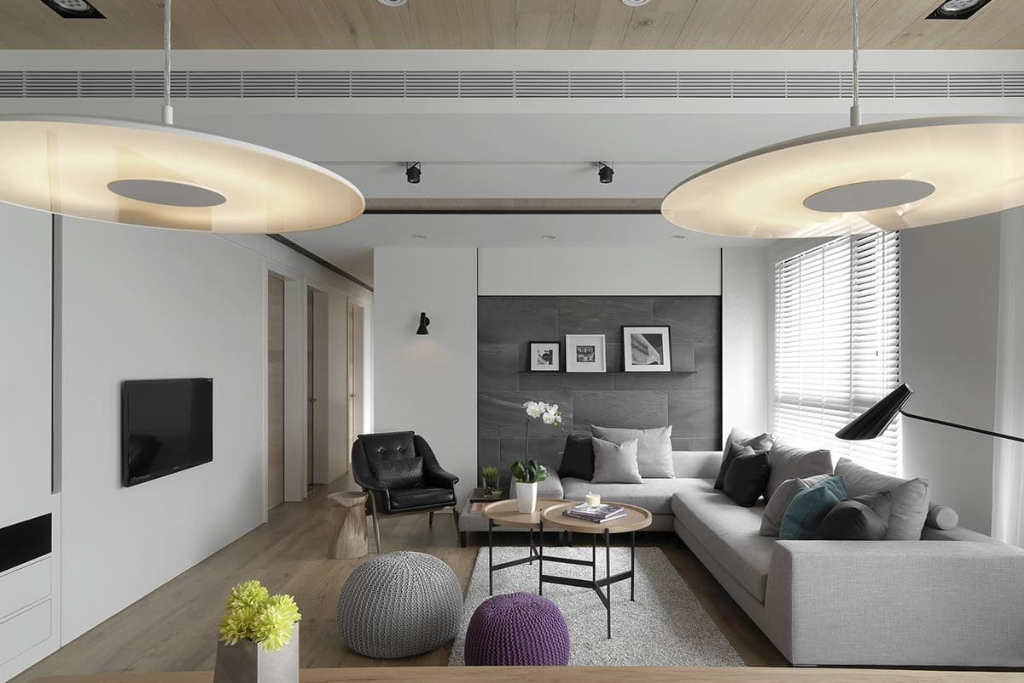
I usually think about several layers: ambient light for general visibility, task light for specific activities, accent light for art or architecture, and decorative light when the fixture itself deserves to be seen.
One pendant in the center of a room rarely solves all four jobs.
Indirect light can wash a ceiling, wall or piece of millwork and create softness without an obvious point source. I use it frequently because it adds depth and helps architecture feel calmer at night.
It is especially effective when it is integrated into the design from the beginning rather than improvised after construction.
A common mistake is placing beautiful ceiling lights while leaving the actual work surface in shadow.
If the light source is behind the person preparing food, the body blocks the light. That is why under-cabinet or other direct task lighting is so important in kitchens.
Read more in how we design kitchens that actually work.
The vanity needs clear, flattering functional light. The shower or bath area may benefit from a softer layer. These are different tasks and should not depend on one ceiling fixture.
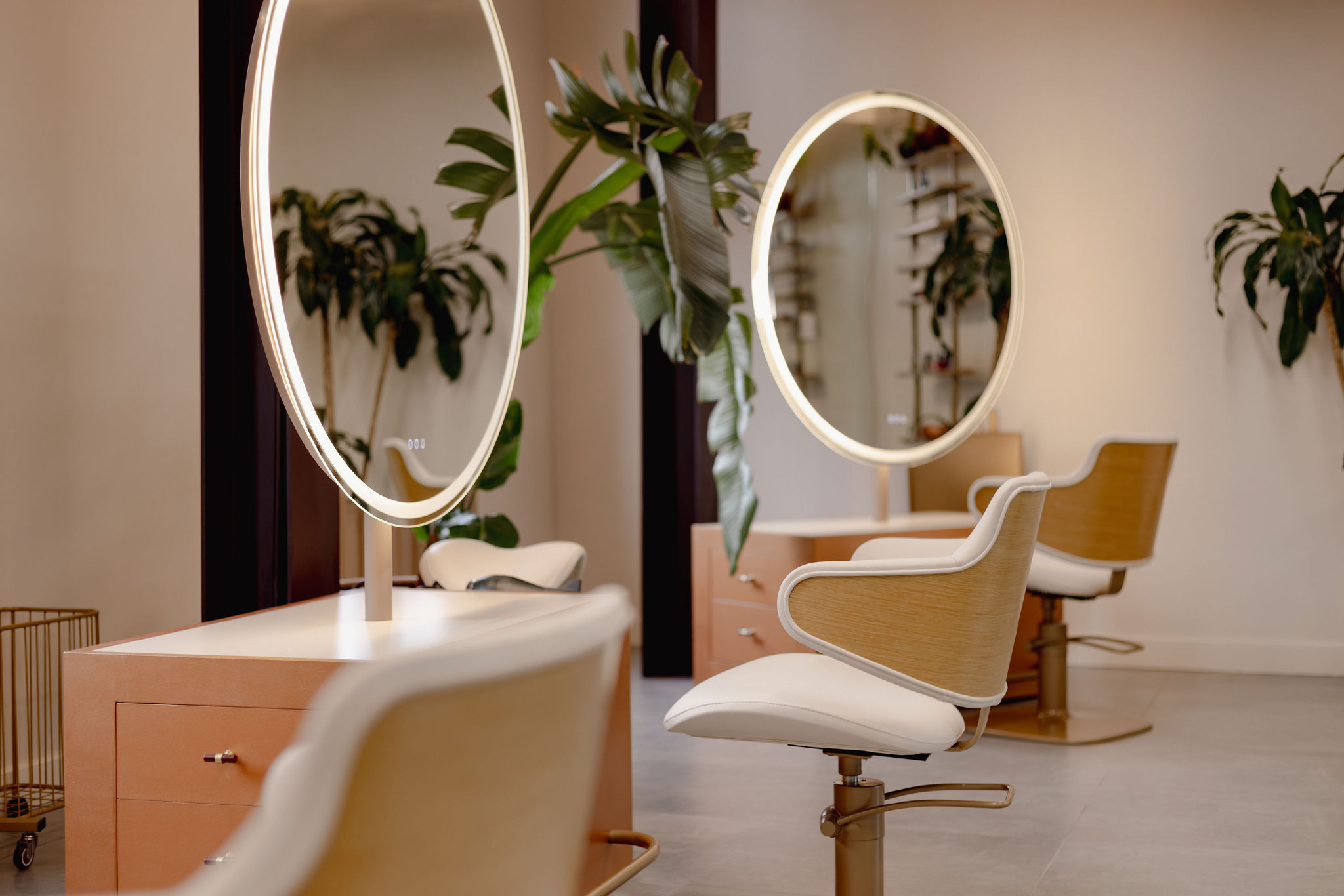
When possible, I prefer to coordinate mirror lighting specifically to reduce harsh facial shadows.
See our bathroom renovation guide.
In a bedroom I prefer warm, dimmable and indirect light for the evening, with focused reading light where it is actually needed.
Bright overhead light can be useful for cleaning or packing, but it should not be the only nighttime option.
Lighting a ceiling can make the upper volume feel more present. Grazing a textured wall emphasizes relief. Highlighting one architectural surface while allowing another to recede can change how a room is read without moving a wall.
This is why lighting and material selection have to be coordinated: dark matte finishes absorb more light than pale reflective ones, and the same lighting plan can behave very differently in two palettes.
I love beautiful lamps, but I don't use a statement fixture simply because a room “needs something.” Scale, sightlines, ceiling height and the architecture around it determine whether a sculptural piece belongs.
Dimmers and separate circuits allow a room to change throughout the day. A dinner, a family evening, cleaning and entertaining do not need the same light level.
Good lighting design gives the client options without making the system complicated to use.
Not the number of fixtures. Luxury comes from control, alignment, comfortable color and intensity, good integration with architecture, and light appearing exactly where it is needed.
The best lighting often goes unnoticed as equipment. You simply notice that the room feels good.
Explore our residential portfolio, learn about our interior design services in Panama, or contact PIEKNO Studio.
We work with clients who value clarity, experience, and thoughtful design decisions. If that sounds like you, let’s talk.
Request a Design Strategy CallYour trusted source for curated news and insights.
We work with clients who value clarity, experience, and thoughtful design decisions. If that sounds like you, let’s talk.
Request a Design Strategy Call